For an older person living at home, and the family who cannot always be there. It writes up the consultation she agreed to record, in the language she reads. It calls her on the cadence she chose, about exactly what the doctor flagged. Across those calls it measures how her speech changes from day to day. What she raises reaches only the people she authorised.

of what a clinician says is forgotten immediately. Almost half of what is remembered is wrong.
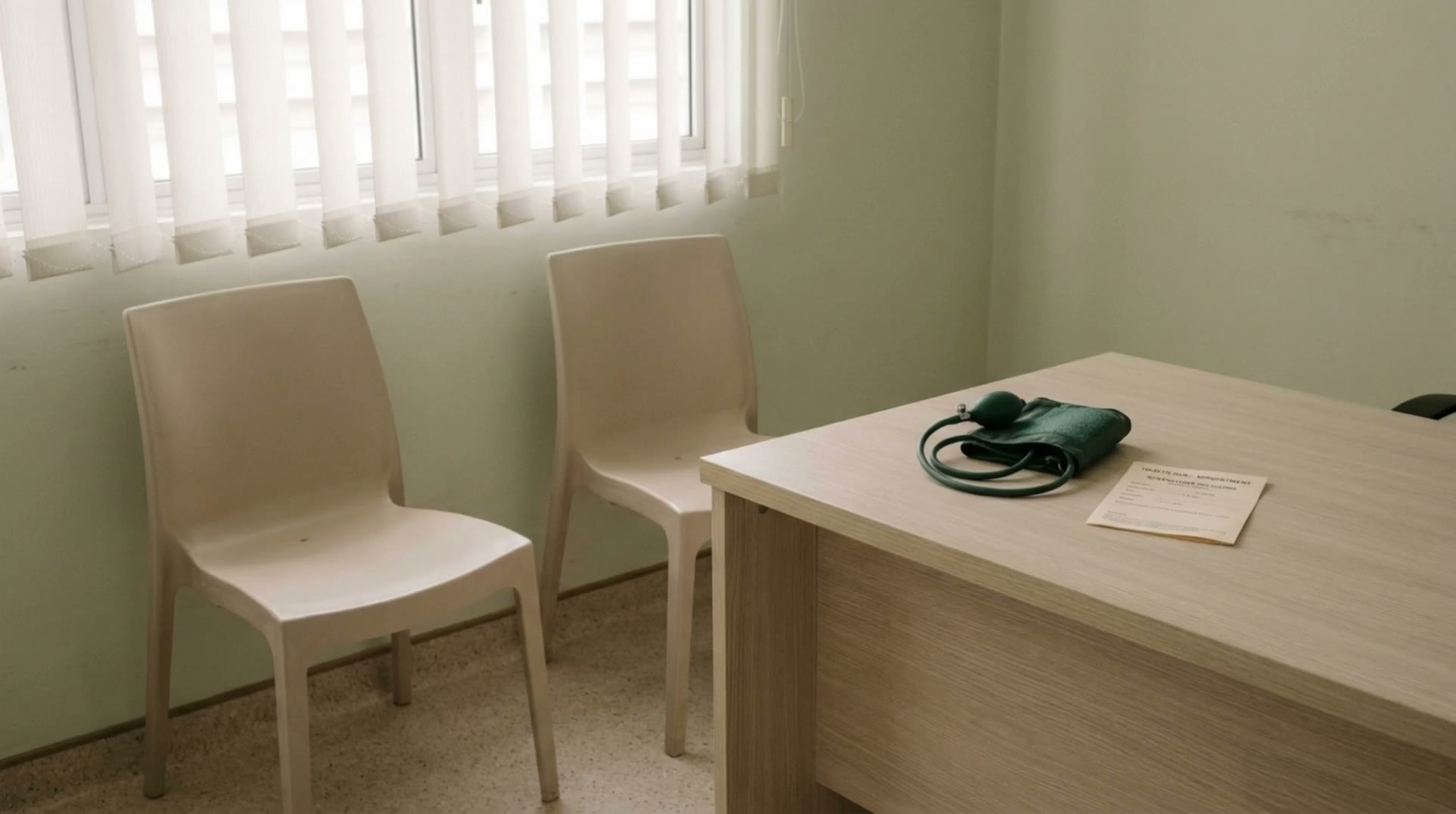
The dose changed. The follow-up moved. One tablet stops and another is halved. Twenty minutes later she has the gist and not the numbers, and the person who would have written them down was at work. Nothing leaves that room in a form anyone can check.
is the average family caregiver's load in Singapore. 73% are an adult child or child-in-law, and a quarter are the only person doing it.
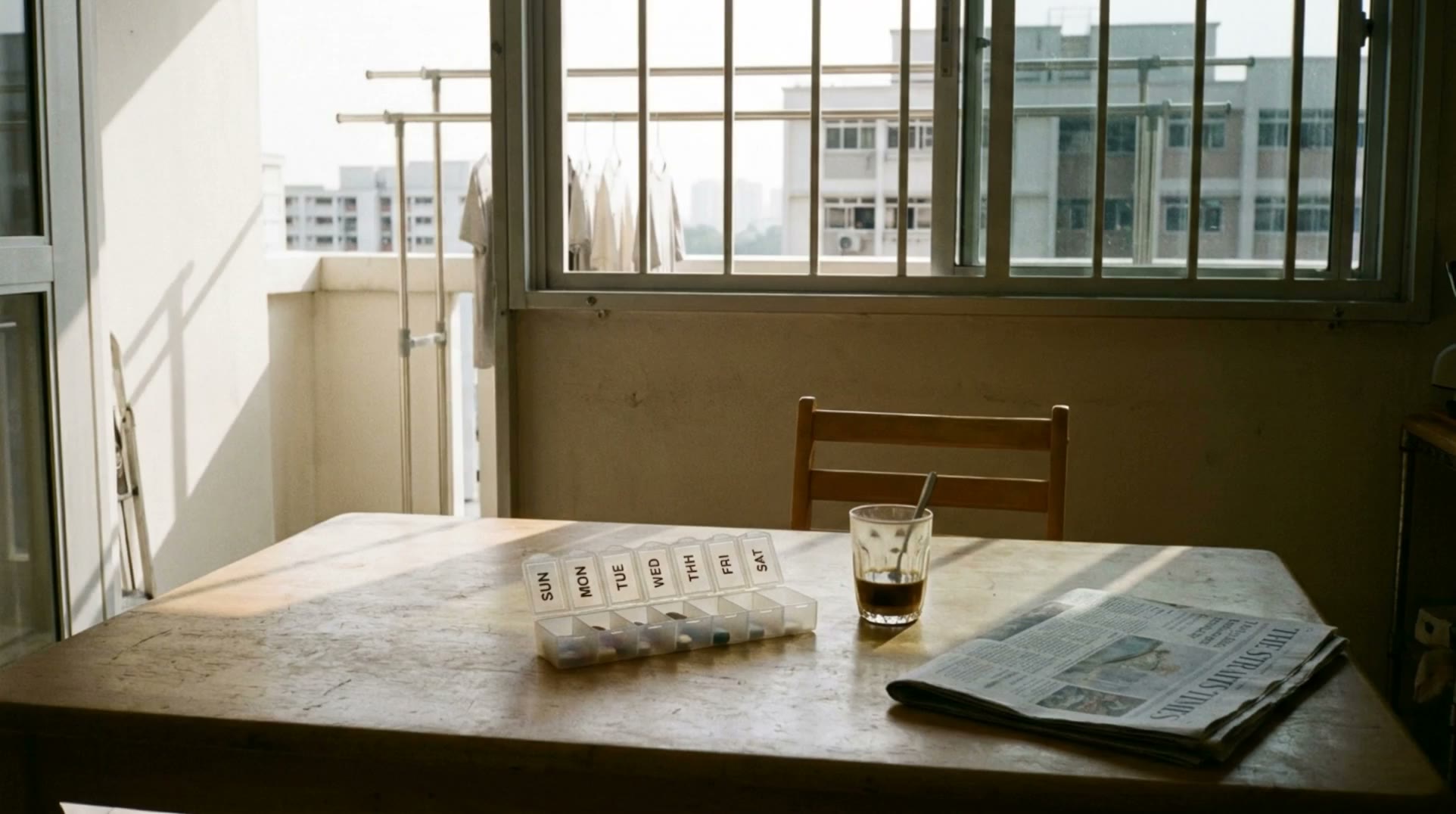
An appointment lasts one morning. The next one may be months away, and in between nobody is watching except family who are working and not always there. If something changes in week two, it waits until the next visit to be seen.
of Singapore's Chinese residents aged 65 and over speak a Chinese dialect most often at home. Hokkien and Teochew alone are more than a quarter of them.
She counts in Hokkien. She describes pain in Teochew. Her record is written in English, so the words she is most precise in never reach it. Transcribing her does not fix it: recognition for these dialects gets the words wrong too often, and wrong words are worse than none.
One agent across the appointment, the call, and the record between them.
Products that record a consultation never call her afterwards. Products that call her never know what the doctor said. Timbre Care does both, and each half is what makes the other work.
What the doctor raises becomes tomorrow's questions. Medication changes are logged as confounds, so nothing is flagged as drift while a dose is still changing.
One watch-for reads: "whether the morning grogginess has settled since the sleeping tablet was halved". The visit wrote that question. The call asks it.
Daily, every other day, or three times a week. Anything slower is refused, because the call is the conversation and the speech sample at once.
A day she does not answer is left blank. Filling it in would smooth out the day-to-day variation the calls exist to measure.
It measures pausing, answer latency and articulation on every call, against her own baseline. What a change means is her doctor's judgment, not the system's.
The baseline is her own first thirty usable samples, never an average of other people. Samples, not days: her schedule decides how many a month produces.
Five languages work end to end. For Hokkien and Teochew, speech recognition is not good enough, so it measures how she speaks instead of what she said.
Teochew has no recogniser at all, and the daily call still works. Nothing counted off a transcript is charted when that transcript cannot be trusted.
One record, on two phones.
The same record, seen by two people with different permissions. She reads what changed, in the language she reads. Her caregiver is told what she raised, and who was not told.